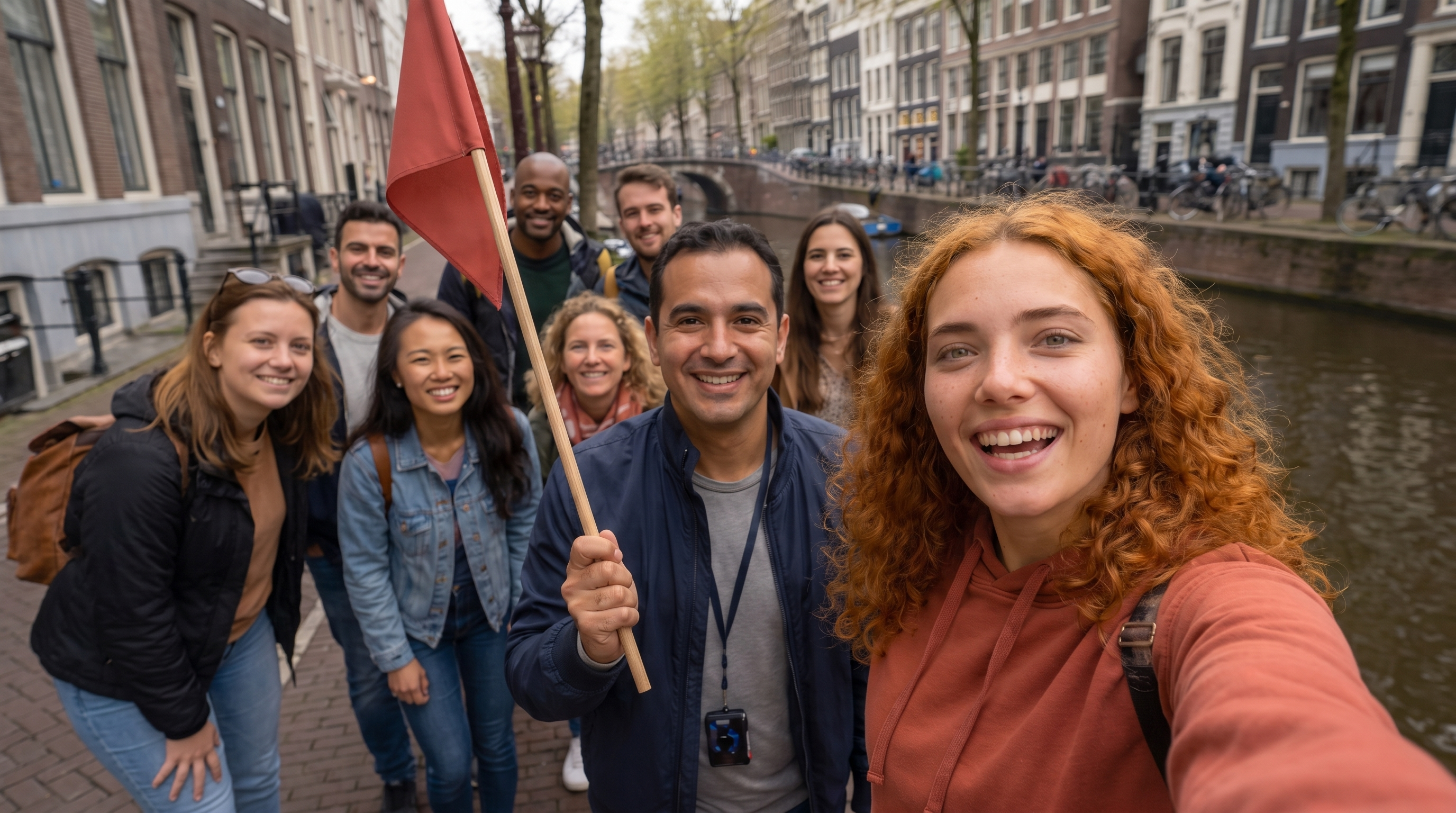
Short Reel
Creating a social-first piece with UGC conventions and generative AI
Client
GuruWalk (Tech skills test)
Role
Creative Technologist
Year
2026
Tools
HeyGen, ElevenLabs, Kling 3.0
Summary
In May 2026, I had 48 hours to respond to an open brief: create a short video for Instagram Reels, TikTok, or YouTube Shorts. I chose to build the piece around UGC's narrative and visual conventions: direct-to-camera delivery, approachable language, and a social-native pace. I handled the entire process, from the idea and character design to generation, editing, and motion graphics. The challenge was to coordinate three decisions: speak to a specific audience, capture attention with fast hooks, and keep an AI-generated protagonist recognizable across different scenes.
Context, objective, and role
The project began as a technical test for an AI Content Creator role. The brief left the topic and treatment open, with one condition: deliver a short piece for vertical social media. My goal was to turn that freedom into a proposal shaped by a clear audience, narrative, and audiovisual production rationale. I led the direction and end-to-end production of the piece. I defined the concept, designed the character and visual system, directed the generative iterations, and built the final result through selection, editing, sound design, and motion graphics.
Constraints
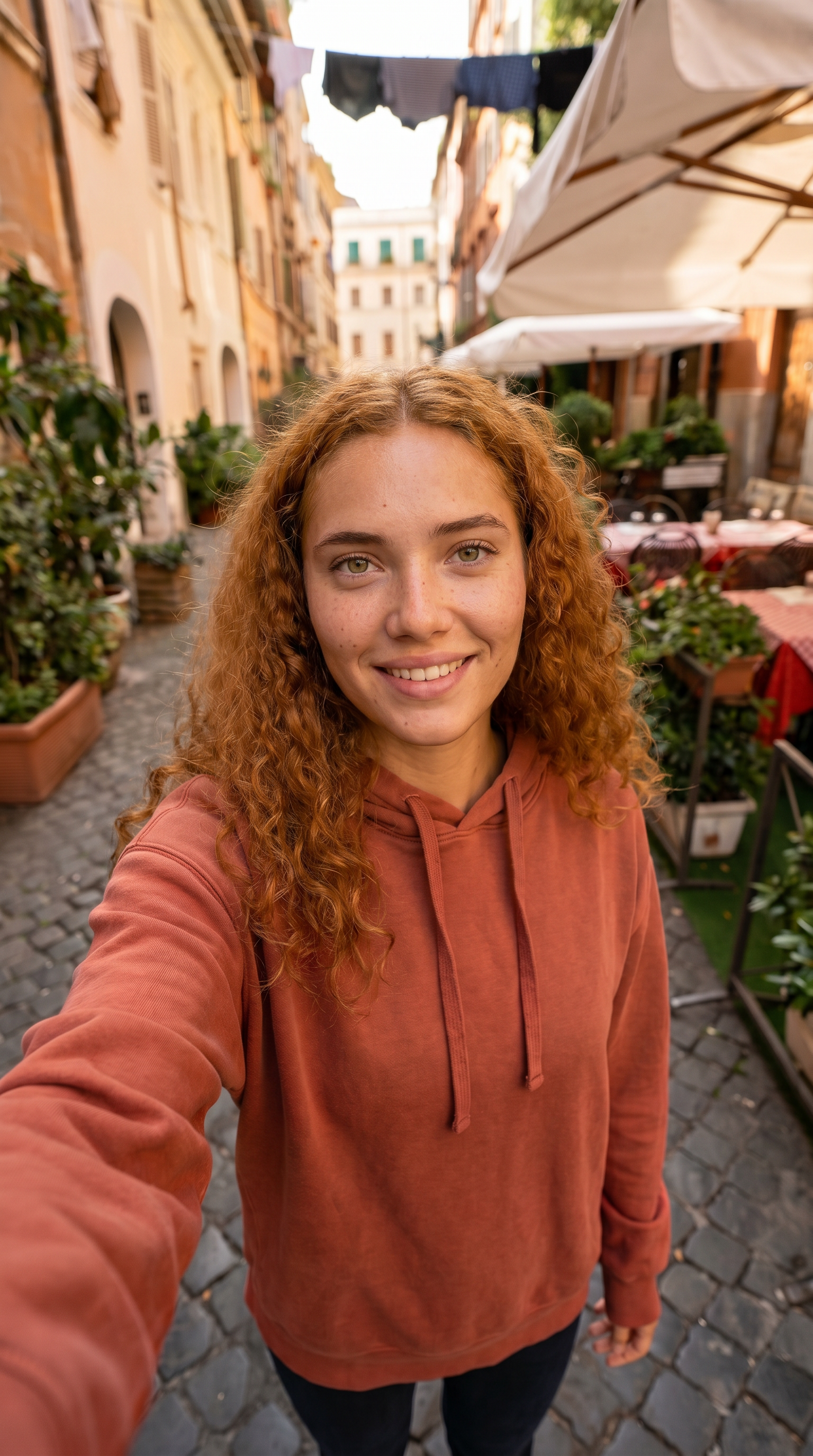
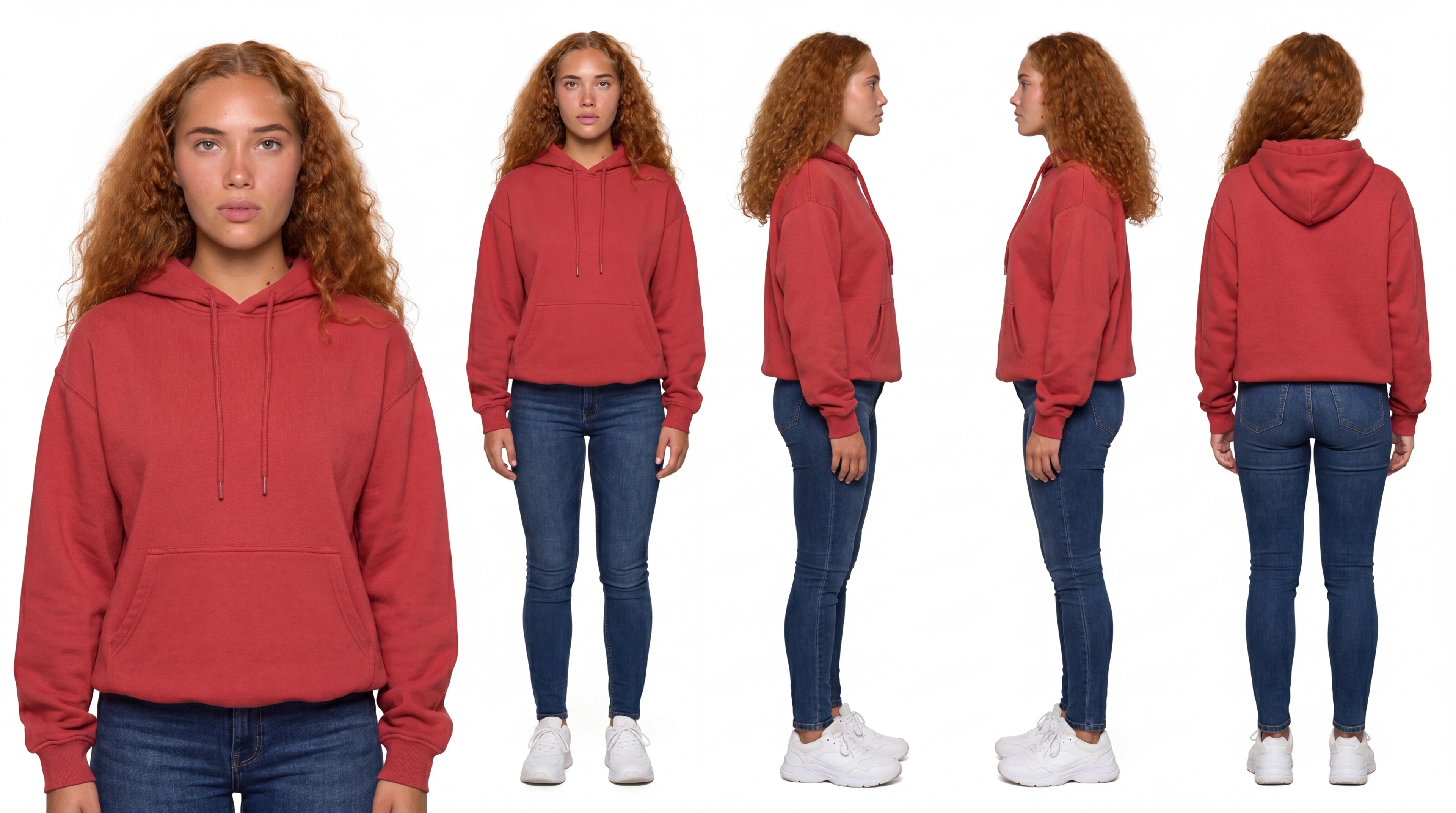
The 48-hour deadline forced quick decisions about what to explore and what to discard, while the different models introduced variations in the character's face, clothing, and movement. Editorially, I aimed for an everyday, relatable protagonist—far from an overly polished aspirational aesthetic—with a voice and language that felt native to the format's audience. The brand was introduced in a controlled way through visual elements and the color #CC484C applied to the clothing. This constraint became a tool for maintaining color continuity between scenes without allowing the brand identity to dominate the piece.
Decisions that defined the piece
# Shifting from introspection to direct contact. I explored an emotional, introspective story, but discarded it because it required a slower build and made it harder to introduce fast hooks from the outset. I reframed the proposal around direct-to-camera delivery and UGC narrative conventions.
Designing an everyday protagonist
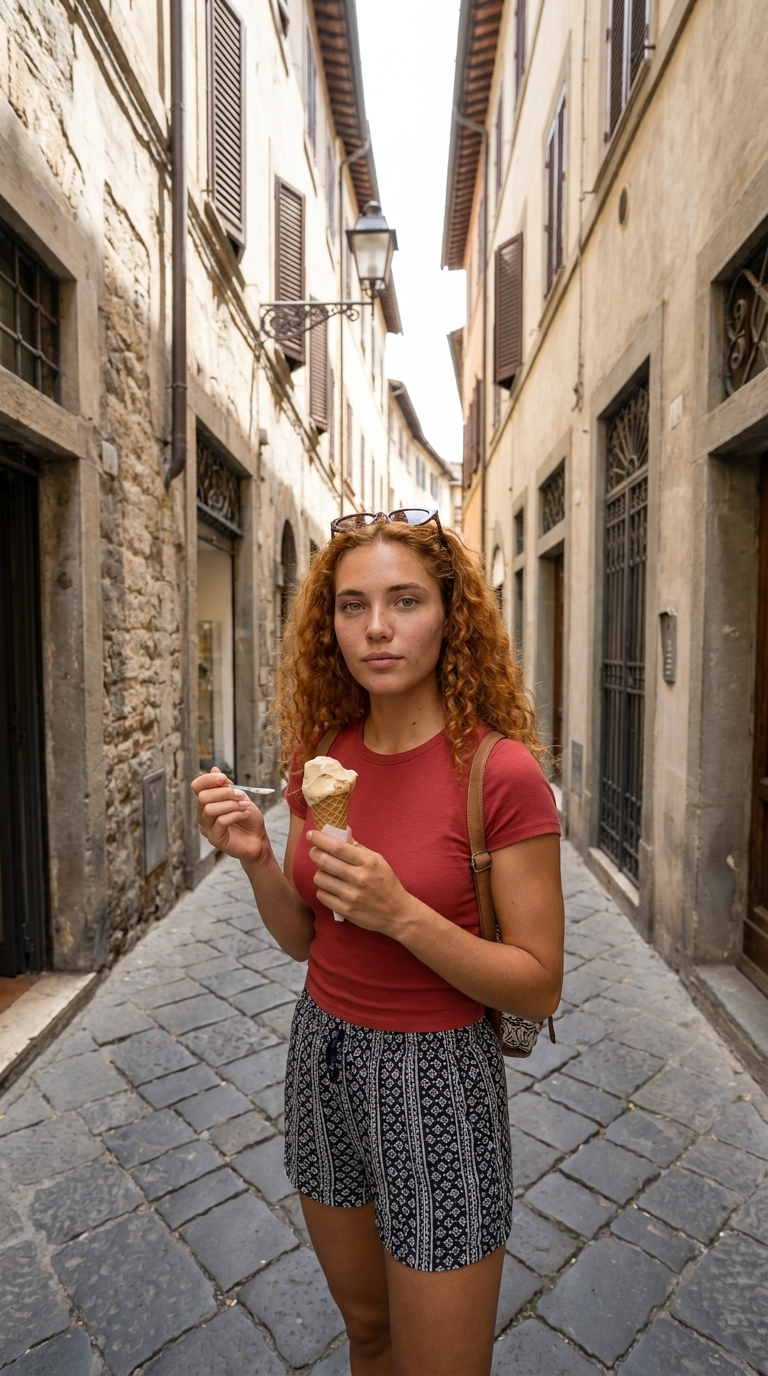
I defined natural features to avoid a generic digital celebrity and achieve a presence compatible with the spontaneous tone of the format.
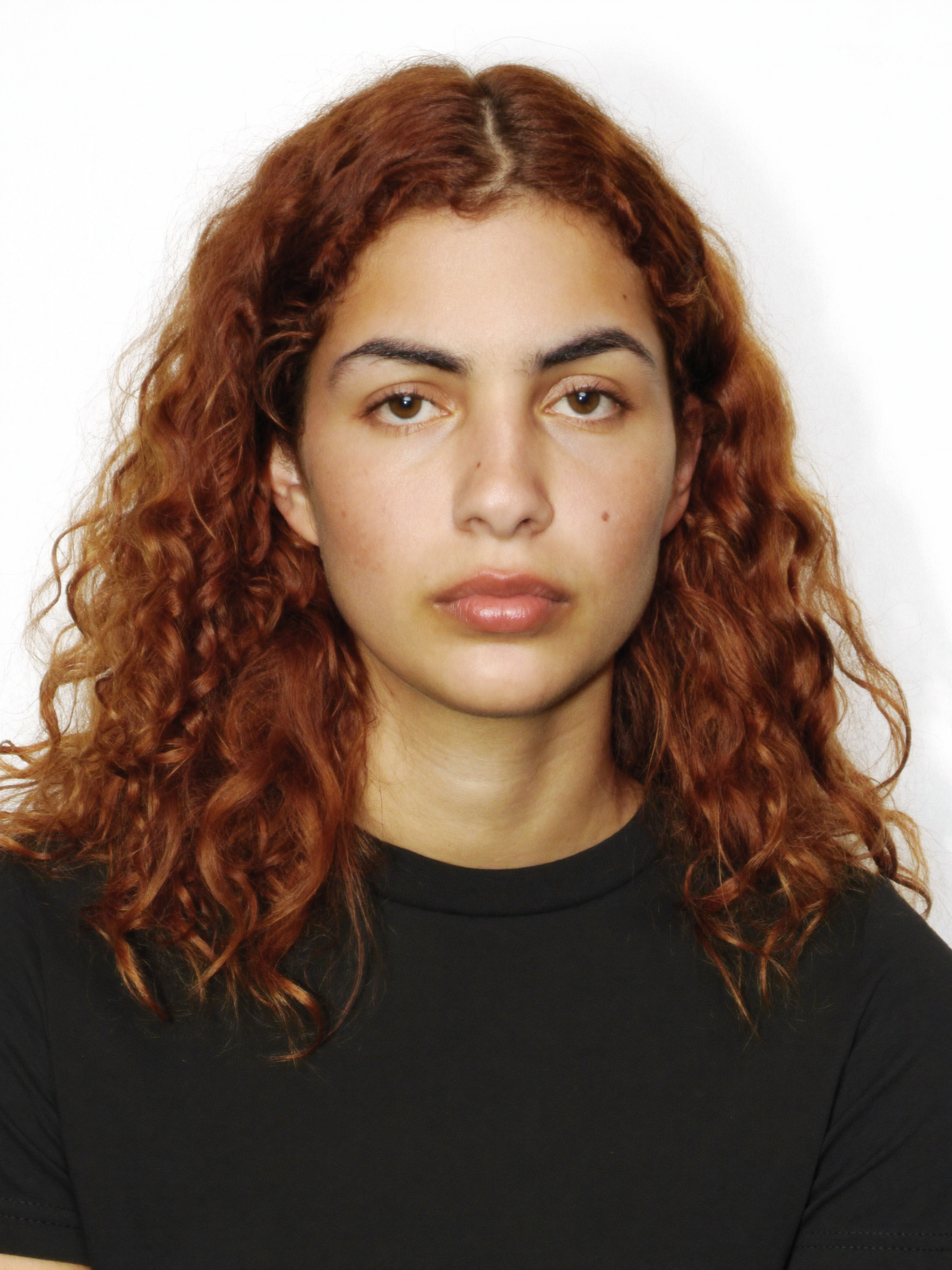
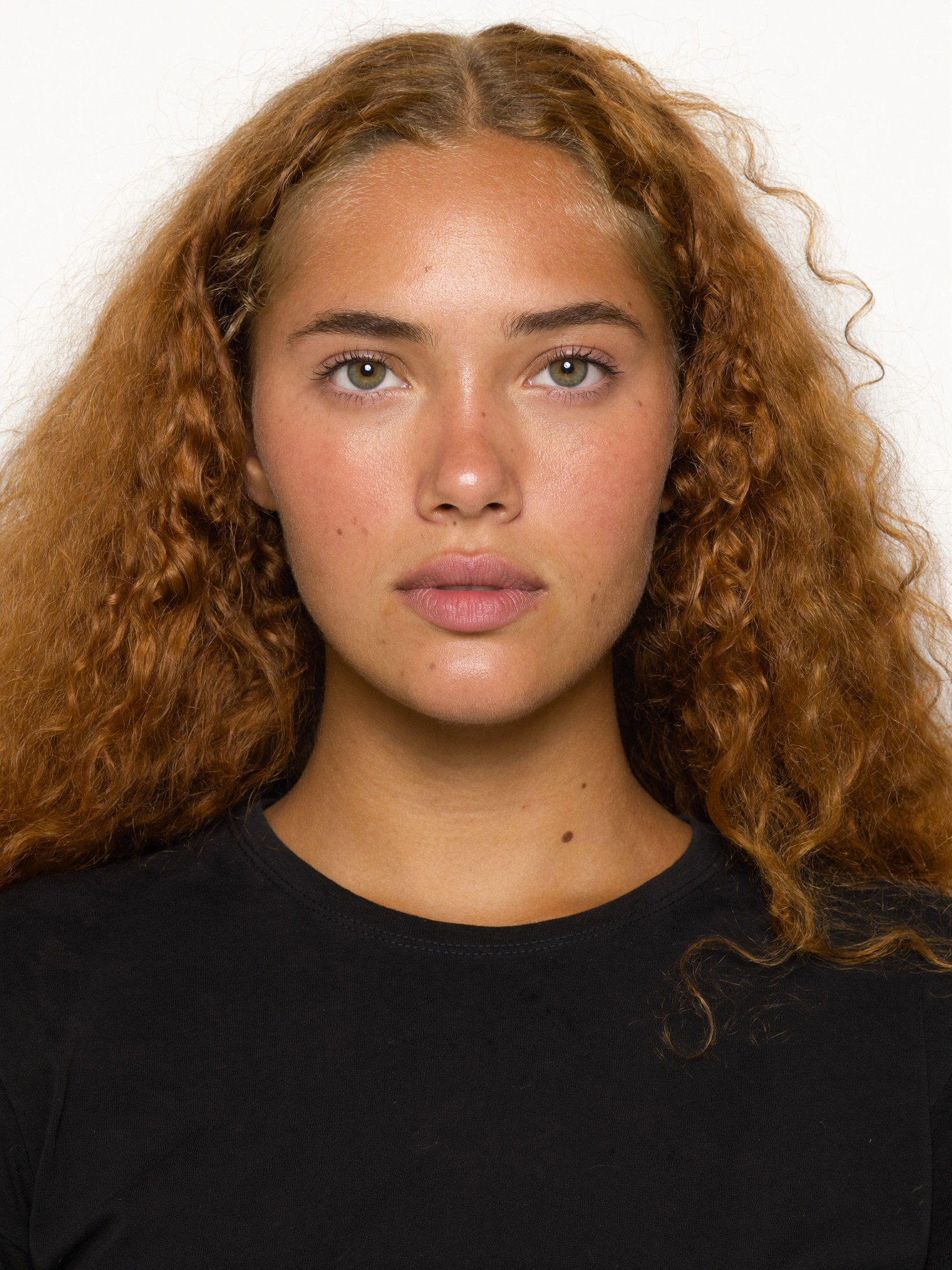
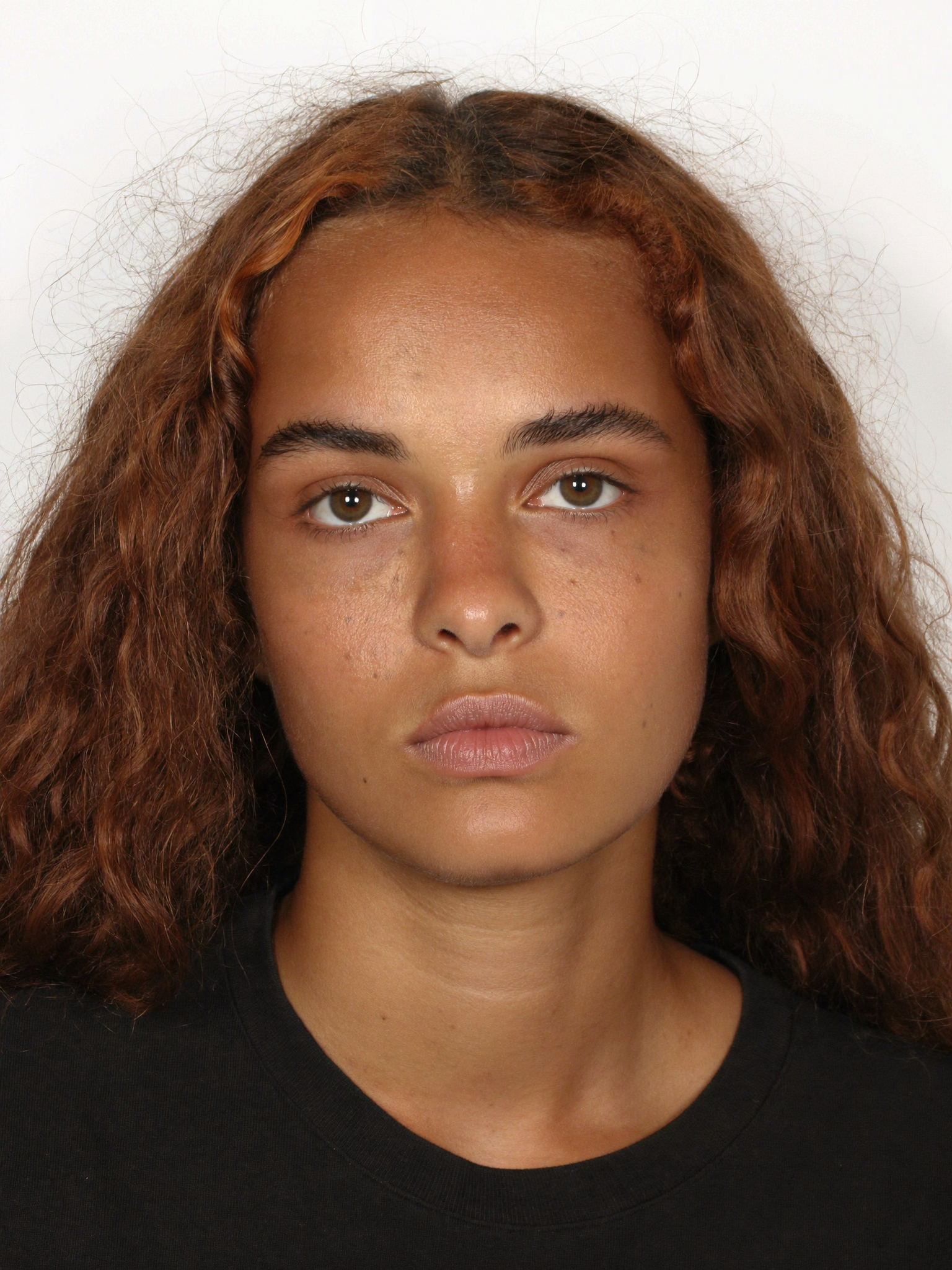
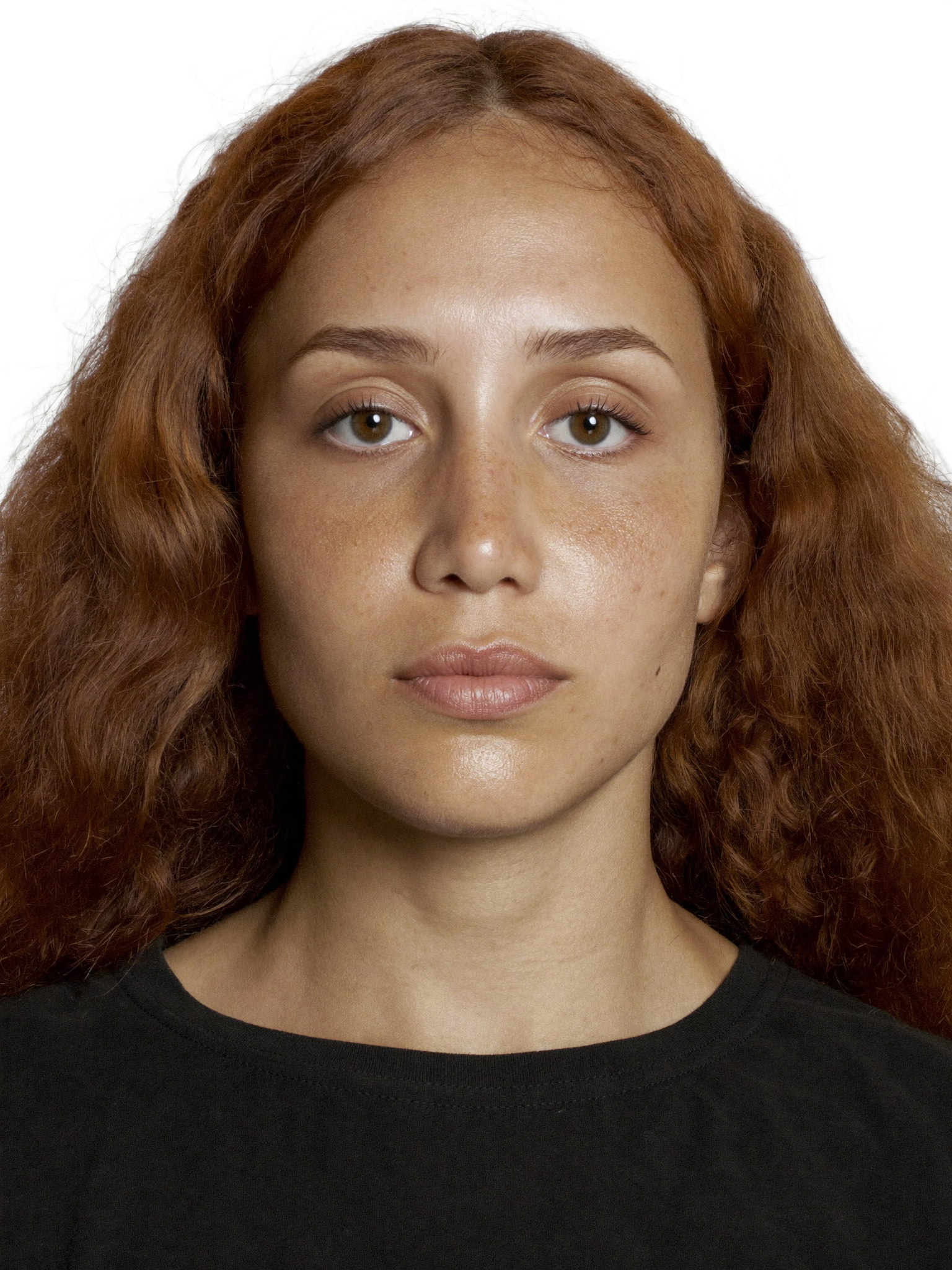
BASE IMAGE GENERATION PROMPT Centered ID-style portrait of a woman, 25 years old with long, curly, reddish-brown hair and a middle part. Olive skin with neutral undertone and visible pores, minimal moles and imperfections. Facial features: oval face, defined jawline, medium cheekbones, round light brown eyes, medium nose with a straight bridge, thin lips with a defined cupid's bow, medium-thick, naturally dense arched eyebrows. Neutral expression with closed lips and direct gaze. Clothing: plain black t-shirt. Uniform light gray background. Neutral and soft lighting without harsh shadows. Sharp and realistic image, without retouching or artistic effects. Official document style photography.
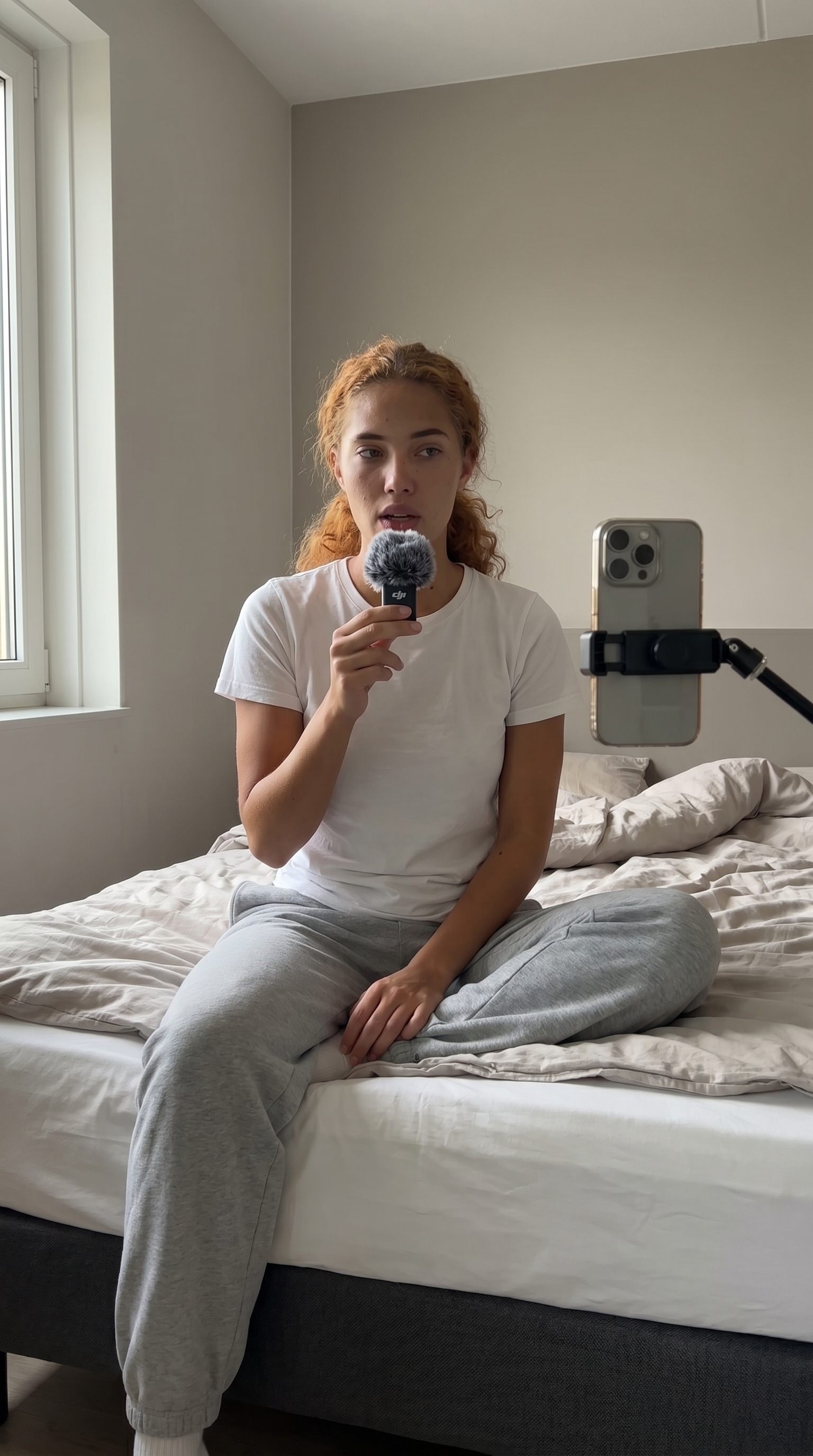
Integrating the brand as a visual detail
I used the brand color in clothing and objects as a visual continuity resource, without making it the center of each shot. The character sheet specified a sweatshirt in `#CC484C`, which helped maintain this criterion between scenes.
Workflow
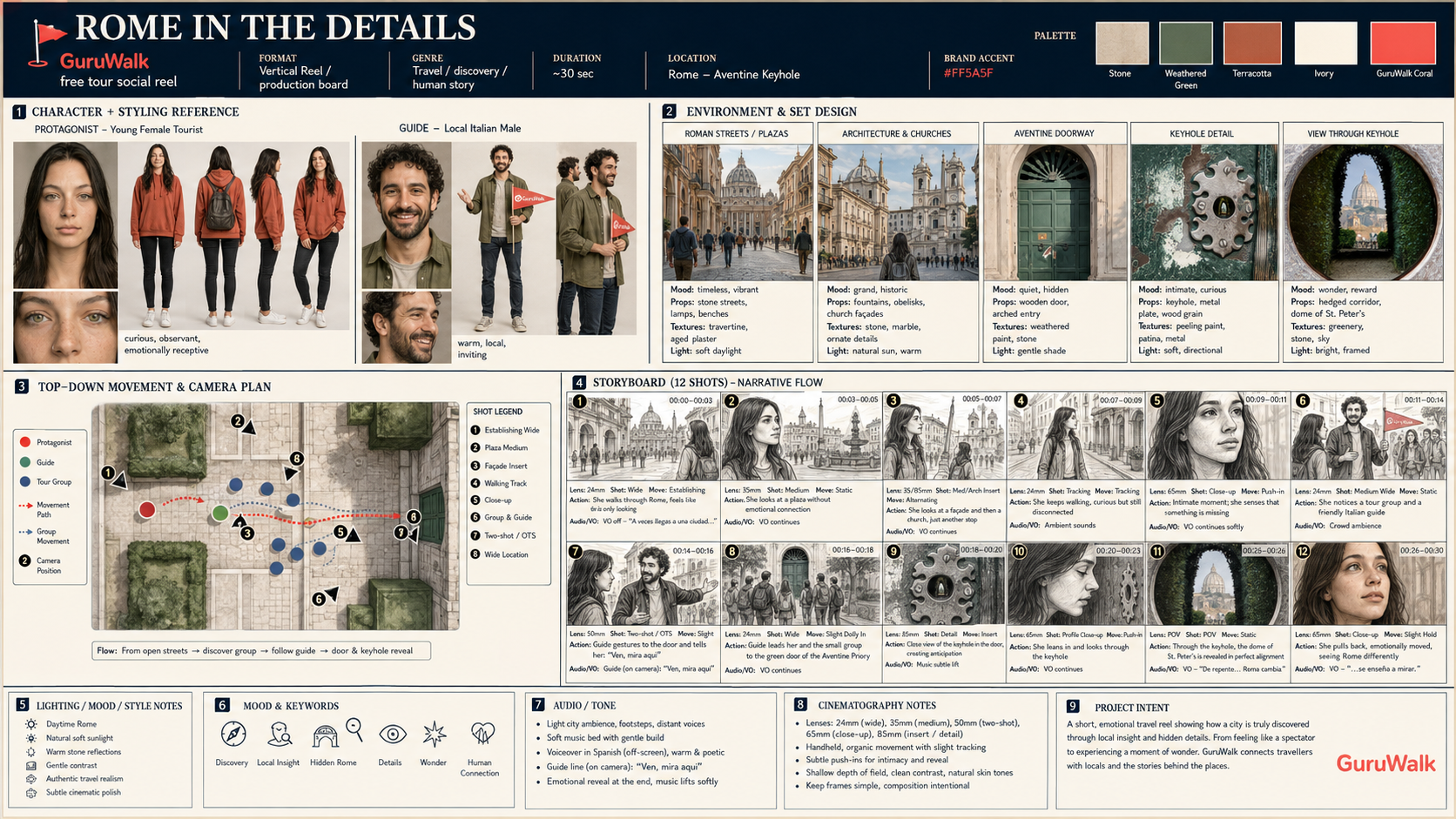
CONCEPT AND VISUAL SYSTEM I used ChatGPT to explore the narrative and develop prompts. I created the protagonist with Higgsfield Soul 2.0, locked in her features through a character sheet, and generated the still scenes with Nano Banana Pro. VOICE AND MOVEMENT I produced voice variants with ElevenLabs and compared video models using the same prompts. Kling 3.0 was the primary model; Kling 2.6, Google Veo 3.1, and Seedance 2.0 were used for comparison. SOUND AND EDITING I generated background music with Suno, focusing on rhythm, energy, and the audience's age profile. I selected the version that supported the edit without competing with the voice and finished the piece in DaVinci Resolve. DELIVERY I adjusted the final export bitrate to eliminate visual glitches and achieve stable playback.
Challenge and iteration
Character consistency was the main visual challenge. The early attempts retained the overall idea but changed facial features or clothing between generations. To reduce this variation, I created a character sheet with defined views and attributes, then reused it as a reference for subsequent scenes. For the audio, I compared multiple options until I found a voice that felt less commercial and closer to the everyday language of social media.
Outcome and Takeaways
I delivered a vertical reel combining an AI-generated protagonist, synthetic voice, custom background music, animated clips, editing, and motion graphics. The character, scene, voice, and video variants produced during iteration remained as evidence of the process. The test received positive feedback from the assessors. Performance on social platforms and commercial impact were not measured. The main takeaway was editorial rather than technical: visual quality only becomes meaningful when it serves a specific audience, format, and way of speaking. That definition guided the decisions around character, voice, rhythm, and editing. Today, I would strengthen consistency through more comprehensive character and prop sheets, more systematic prompting techniques, and shot-by-shot traceability.
In a new iteration, I would also evaluate models released after this production, including Seedance 2.0 with 4K output and Gemini Omni Flash. I would not adopt them simply because they are new; I would compare their character consistency, editing capabilities, and fit for the final cut against the original workflow. Because the test required a single piece, the process was designed as a manual production rather than an automated workflow. If the goal were to develop a campaign or a reusable template, I would propose a modular system from the outset: structured prompts, reusable character and prop sheets, shot-by-shot traceability, file-naming conventions, batch generation, and quality controls before editing.

Up next
Next project